



A recent report from the U.S. Bureau of Economic Analysis revealed a record trade deficit between the United States and Europe as droves of American travelers opt to spend their vacations in locations where their dollars will go further.
This widening trade gap comes at a time when the year-over-year inflation rate sits stubbornly at 3 percent, as of June. While that figure is lower than the highs it soared to during the COVID-19 pandemic, it’s still above the target inflation rate of 2 percent.
Inflation rates also differ significantly across the U.S. with many cities nationwide continuing to experience Consumer Price Index (CPI) hikes. A study from WalletHub has identified Dallas, Texas, for instance, as the city with the biggest inflation struggles at the moment. The CPI in that city is up 5 percent compared to last year. Honolulu is experiencing similar challenges, with the year-over-year price index up 5.2 percent as of June.
With common travel expenses also being impacted by inflationary pressures, a growing number of American travelers are using alternative methods to cover travel costs, according to a separate report from WalletHub.
For instance, nearly 3 in 5 people said inflation has forced them to rely upon credit card travel benefits more often to cover travel expenses, per the WalletHub survey.
“Travel, like seemingly everything else these days, is very expensive, but rather than give up a chance to get away this summer, many people are leaning even more heavily than usual on their credit cards,” says WalletHub Editor John Kiernan.
Alonso Marly, a travel advisor with Skyluxtravel, says that even though demand for travel is now higher than ever in a post-pandemic world, most travelers are far more conscious about their holiday budget due to the ongoing global inflation.
“For the past two years, prices for many essential goods in the US have been increasing faster than people’s incomes, leading to high inflation that affects the affordability of products and services for most households and causing a significant fall in living standards,” says Marly. “As a result, many leisure activities, including travel, have been put on hold or re-evaluated to save on the expenses…Most Americans who would traditionally book budget-friendly trips have been forced to limit and optimize their spending.”
With such economic pressures in mind, TravelPulse reached out to leading travel industry advisors for tips on how consumers can save money on travel costs and avoid having to rely heavily on credit cards.
Here’s what those experts recommend.
Buy flights when they’re most volatile
This tip is not for the faint of heart, but could be worth trying if you don’t mind taking a gamble.
William Lee, an advisor with Ohio-based Chima Travel suggests waiting as long as you can to book airline tickets in order to save money.
“This is a risky tip, but the closer you get to a flights departure, the more volatile the price,” explains Lee. “If you are willing to risk it, you can find an incredible deal on your flight if you purchase within a few weeks of your trip date.”
The downside? Flight prices can also go the other way and become more expensive during this volatile time, advises Lee.
Stay outside of the city
If, like countless other Americans, your travels are taking you to Europe, then consider accommodations slightly outside the heart of a city.
“You can bet that most locations will have solid public transport with buses or trains,” suggests Lee. “Cities like Edinburgh, London, Paris, and more, are significantly more expensive when you stay inside the city.”
To save a few dollars, look for accommodations that are about 10 miles beyond a city’s limits. And as you’re searching, look for hotels that are convenient to public transport such as train stations and bus stations.

Group of young people going on a road trip. (Photo Credit: Adobe Stock/Alessandro Biascioli)
Rent a car
While the suggestion to spend money renting a car may be surprising in a story about cutting costs, bear with us on this one.
“This might sound counterintuitive and greatly depends on the country you are traveling to,” explains Lee. “But the cheapest way to explore Scotland is by far by renting a car. You’ll be able to access locations that are not available to those who rely on public transport and you won’t need to spend extra cash hiring a driver.”
“You’d be surprised where this advice might come into play, even Italy with it’s incredible public transport, doesn’t make it easy to get to areas like the Italian Alps,” adds Lee.
Travel to destinations where summer is the “off-season”
While summer may be a great time to visit Italy for instance, it’s not necessarily the best time to visit Australia (where it happens to be winter during summertime for Americans.)
Conversely, there are heat drenched destinations in the south that most tourists avoid during the summer, which also may make such places less expensive.
“This often means visiting hotter climates, but there are ways to pace yourself and beat the heat,” suggests Christopher Falvey of Unique NOLA Tours.
“New Orleans is just as fun during it’s summer off-season,” he continues. “And New Orleans, especially during the summer is a super inexpensive vacation. You could easily do a weekend for $500 or less.”
What’s more, the state of Louisiana, says Falvey, has one of the lowest costs of living in the United States, and that includes New Orleans.
“We have a ton of summer festivals, and it isn’t like Bourbon Street ever slows down. We, personally, run all the same tours we have year-round. And everyone (including our tour company) is discounting tickets and fees for hotels, tours, everything,” says Falvey. “We always run a 20 percent off sale for our walking tours during the low season.”
Marly, of Skyluxtravel, offers similar advice, though it doesn’t just apply to destinations where summer happens to be low season.
“My number one advice for those looking to cut their holiday expenses is to travel during the offseason,” says Marly. “That way, you will also avoid crowds and, in most cases, get better deals. Airfares for flight routes during the busy holiday season can be up to 50 percent more expensive.”
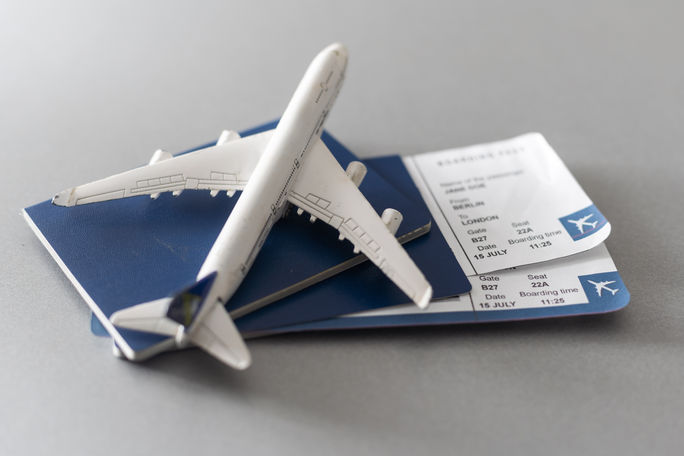
Airline tickets. (Photo Credit: Angelov/Adobe)
Book airline tickets on Sunday
It may be surprising, but the day of the week matters when booking airline tickets. In fact, Sunday is the best day to score a deal on tickets, says Marly.
“According to industry insights, Sundays are typically the best days to book flights as that saves you about 5% on domestic flights and up to 15% on international flights compared to other days of the week,” Marly explains.
Meanwhile, you’ll want to avoid booking tickets on Fridays.
“With increased ticket purchases and flights happening on Fridays, it is considered to be the worst day for booking flights.,” says Marly.
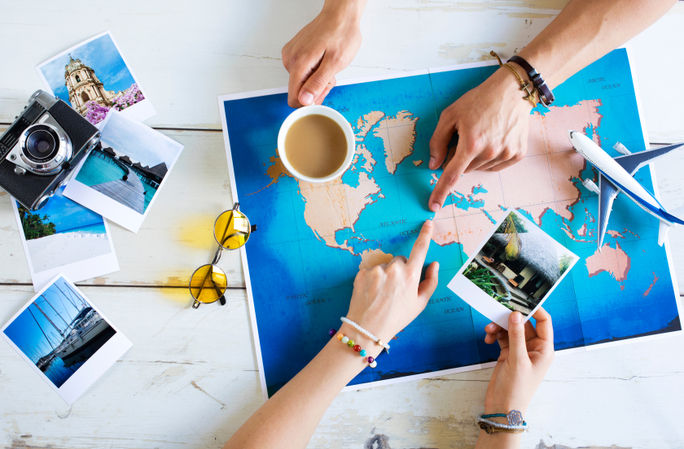
Travel advisor helping plan a trip. (Photo Credit: sebra/Adobe Stock)
Work with a travel professional who knows about off-the-beaten path options
LaDell Carter, founder and lead travel designer at Royal Expression Travels, suggests enlisting a travel professional who knows how to find the “unGoogleable” hotels, which can save you money on accommodations and allow you to secure a room when it otherwise may seem impossible.
“For example, during the Paris Olympics, instead of battling the crowds at Charles de Gaulle, consider the charming alternative of Paris-Orly Airport,” says Carter. “Currently, branded hotels like Marriott are fully booked, but I know about 30 exclusive, charming hotels that are still welcoming guests.”
Be flexible
Think of your travel plans as a dance: sometimes you need to pivot to find the perfect rhythm, says Carter.
“Flexibility with your dates and destinations can lead to spectacular savings,” she explains. “If your dream beach destination is packed and pricey, why not waltz over to a lesser-known but equally stunning locale?” The world is full of hidden treasures waiting to be explored, adds Carter.
“Off-peak seasons and alternative destinations can offer the same awe-inspiring experiences at a fraction of the cost,” says Carter. “Embrace the adventure of discovering new places and enjoy the extra padding in your travel budget.
Embrace local retail
Once you’ve arrived in a destination, consider how you spend money there carefully.
“Take home authentic souvenirs from the destination made by local artisans at craft fairs and small shops and visit arts and crafts events,” says Debbie Misajon, founder of The Coconut Traveler, which specializes in customized, luxury travel in the Hawaiian Islands. “These will have deeper meaning than a national brand’s interpretation of the Aloha Shirt, and likely cost less.”
Savor local flavors
Farmer’s market prices are much lower than national chain products, the food is fresher, says Misajon. Added bonus? This approach can also save you money.
“Seek out local restaurants that feature a menu of farm or sea to table. Hawaii’s community knows the best food for the best price, go out of your way to eat like a local,” explains Misajon. “Many of our local food stores have made to order or fresh-made counters where you can pick up poke, sushi, salads, and more at a great price. If you come across a food truck with a long line reflecting the local community – that’s the best value for money.”
Shorten your trip
When all else fails, consider taking a shorter trip to cut costs, says JoAnn Weeks, vacation division director with Acendas Travel.
“Or depart and return during the week rather than the weekend to weekend,” Weeks suggests, as another way to save money on travel expenses.
“Airfares are typically based on supply and demand. Demand is higher for travel on weekend days, leaving more space during the week, which can reflect in lower fares,” Weeks adds.
If a cruise vacation is on your agenda, you might also try booking on different days of the week to save some money.
“I just heard this week during a Celebrity cruise product update that the best days to book a Celebrity cruise are Monday or Tuesday, where Thursday is the worst as far as the largest percentage of discounts applied,” says Weeks.
For the latest travel news, updates and deals, subscribe to the daily TravelPulse newsletter.
Topics From This Article to Explore
Credit: Source link