



Groceries can gobble up the budget of many households and the best credit cards for grocery shopping will reward you on your spending. Whether you shop yourself or use a delivery service, these types of cards can serve up savings and often feature other cardholder benefits, like new cardholder bonuses and purchase protections.
We analyzed a broad swath of credit cards in this category from a variety of issuers to curate a list of the very best. Here are our selections.
-
Prime Visa
*: Best grocery card for Whole Foods and Amazon Fresh purchases
Best grocery credit card for customized rewards
U.S. Bank Shopper Cash Rewards® Visa Signature® Card
*

Earn 6% cash back each quarter on combined eligible purchases from two retailers of choice ($1,500 limit); Earn 3% cash back each quarter in one everyday category of choice ($1,500 limit); Earn 1.5% cash back on everything else; Plus, earn 5.5% cash back on prepaid car and hotel reservations booked through the Rewards Center
Best grocery credit card for Walmart shoppers
Capital One Walmart Rewards® Card
*

Earn 5% back on Walmart.com & in the Walmart app, including Grocery Pickup and Delivery; Earn 2% back on restaurants and travel, and at Walmart Stores, Walmart & Murphy USA Fuel Stations; Earn 1% back everywhere else Mastercard® is accepted
Best grocery credit card for a welcome bonus
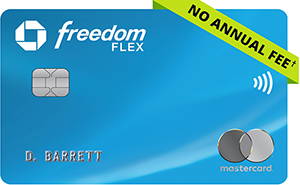
Earn 5% cash back in categories that rotate quarterly on up to $1,500 when enrolled, 5% on travel purchased through Chase Ultimate Rewards®, 3% on dining and drugstores and 1% on all other purchases.
Best grocery card for Whole Foods and Amazon Fresh purchases

Earn 5% Back at Amazon.com, Amazon Fresh and Whole Foods Market with an eligible Prime membership, 5% back on travel booked through Chase, 2% back at gas stations, restaurants, and on local transit and commuting (including rideshare), and 1% back on all other purchases.
Best grocery card for grocery delivery

Earn 5% cash back on Instacart app and Instacart.com purchases; earn 5% cash back on travel purchased through the Chase Travel Center, including flights, hotels and more; earn 2% cash back at restaurants, gas stations and on select streaming services; earn 1% cash back on all other purchases.
Best credit cards for groceries of November 2023
Best credit card for groceries at U.S. supermarkets: Blue Cash Preferred® Card from American Express
Why this card made the list
The Blue Cash Preferred® Card from American Express (terms apply, rates & fees) earns one of the highest rewards rates you’ll see for grocery purchases at U.S. supermarkets. Although American Express caps the U.S. supermarkets’ rewards bonus at $6,000 annually, it’s still a significant value, especially for a card with a $0 intro annual fee for the first year, then $95.
The card is also one of the best credit cards for spending at U.S. gas stations and supermarkets, offering high rewards in those areas, plus transit and select U.S. streaming subscriptions. Blue Cash Preferred also comes with annual statement credits and travel protections for added value to cardholders who can use them.
- Annual fee: $0 intro annual fee for the first year, then $95.
- Rewards: 6% cash back at U.S. supermarkets on up to $6,000 per year in purchases (then 1%), 6% cash back on select U.S. streaming subscriptions, 3% cash back at U.S. gas stations, 3% cash back on transit and 1% cash back on other purchases. Cash back is received in the form of Reward Dollars that can be redeemed as a statement credit.
- Welcome bonus: $250 statement credit after spending $3,000 in purchases in the first six months of card membership.
- Foreign transaction fees: 2.7% of each transaction after conversion to US dollars.
*
Why this card made the list
The Amex EveryDay® Preferred Credit Card
*
The information for the Amex EveryDay® Preferred Credit Card has been collected independently by Blueprint. The card details on this page have not been reviewed or provided by the card issuer.
(terms apply) earns Membership Rewards® points at U.S. supermarkets and on other spending, which savvy points and milers know carry a premium value when you redeem them for flights booked through American Express Travel.
The card’s secret sauce is in everyday use. If you use the card 30 or more times in a billing period, you will earn 50% extra points on those purchases (terms apply). There is also a 0% intro APR on purchases and balance transfers requested within 60 days of opening the account for the first 12 months, followed by a regular APR of 18.24% to 28.24% variable. A balance transfer fee of either $5 or 3% of each transfer, whichever is greater applies.
- Annual fee: $95.
- Rewards: 3 points per $1 at U.S. supermarkets, on up to $6,000 per year in purchases (then 1 point), 2 points per $1 on U.S. gas stations and travel purchases booked through AmexTravel.com and 1 point per $1 on other eligible purchases.
- Welcome bonus: 15,000 Membership Rewards points after spending $2,000 in purchases in the first six months of card membership.
- Foreign transaction fees: 2.7% of each transaction after conversion to US dollars.
*
Why this card made the list
The U.S. Bank Shopper Cash Rewards® Visa Signature® Card
*
The information for the U.S. Bank Shopper Cash Rewards® Visa Signature® Card has been collected independently by Blueprint. The card details on this page have not been reviewed or provided by the card issuer.
earns high rewards on groceries at stores that typically are excluded. This makes the card ideal for someone who does their grocery shopping at stores like Amazon.com, Target and Walmart.
- Annual fee: $0 intro annual fee for the first year, then $95.
- Rewards: 6% cash back each quarter on combined purchases from two retailers of choice ($1,500 limit), 5.5% cash back on prepaid car and hotel reservations booked through the Rewards Center, 3% cash back each quarter in one everyday category of choice ($1,500 limit) and 1.5% cash back on everything else.
- Welcome bonus: $250 bonus after spending $2,000 in eligible purchases in the first 120 days of account opening.
- Foreign transaction fees: 3% of each foreign transaction.
*
Why this card made the list
One of the quickest ways to maximize the value of a rewards credit card is to earn welcome bonus offers. The Chase Freedom Flex℠
*
The information for the Chase Freedom Flex℠ has been collected independently by Blueprint. The card details on this page have not been reviewed or provided by the card issuer.
offers an easy-to-earn $200 bonus after spending $500 on purchases in the first three months of account opening, which can help foot the bill next time you stock up at the supermarket.
In addition, the Chase Freedom Flex offers a 0% intro APR for the first 15 months on purchases and balance transfers, then a variable APR of 20.49% to 29.24%. There is an intro balance transfer fee of either $5 or 3% of each transfer, whichever is greater, in the first 60 days. Then the fee is the greater of $5 or 5% of each transfer — helpful to anyone seeking extra time to pay down a big buy, like cooking for a crowd for the holidays or planning to entertain for the Super Bowl.
- Annual fee: $0.
- Rewards: 5% cash back on up to $1,500 in categories that rotate quarterly (requires activation), 5% cash back on travel purchased through Chase Ultimate Rewards®, 3% cash back on dining and drugstores and 1% cash back on all other purchases.
- Welcome bonus: $200 bonus after spending $500 on purchases in the first three months of account opening.
- Foreign transaction fees: 3% of each transaction in U.S. dollars.
*
Why this card made the list
The Prime Visa
*
The information for the Prime Visa has been collected independently by Blueprint. The card details on this page have not been reviewed or provided by the card issuer.
earns bonus rewards for Prime members on Amazon.com purchases, but also in-store and online purchases at Whole Foods and Amazon Fresh. You’ll also receive a $200 Amazon gift card for Prime members upon approval, perfect for saving money on your next Amazon or Whole Foods grocery order.
What helps the Prime Visa stand apart is its extensive list of travel benefits, which is unusual for a grocery credit card. Cardholders who use the card for travel purchases can qualify for a slew of protections, including baggage delay insurance, lost luggage reimbursement, travel accident insurance and more.
- Annual fee: $0 with Prime membership.
- Rewards: 5% back at Amazon.com, Amazon Fresh and Whole Foods Market with an eligible Prime membership, 5% back on travel booked through Chase, 2% back at gas stations, restaurants, and on local transit and commuting (including rideshare), and 1% back on all other purchases.
- Welcome bonus: $200 Amazon gift card for Prime members upon approval.
- Foreign transaction fees: None.
*
Why this card made the list
If you frequently use Instacart for grocery orders and deliveries, the Instacart Mastercard®
*
The information for the Instacart Mastercard® has been collected independently by Blueprint. The card details on this page have not been reviewed or provided by the card issuer.
is worth a serious look. The card earns high cash-back rewards rates on Instacart orders plus several common spending categories. If you’re approved for the card, you instantly receive a $100 Instacart credit plus 1 free year of Instacart+. Instacart+ comes with perks like free unlimited deliveries on orders over $35 and service fee discounts.
- Annual fee: $0.
- Rewards: 5% cash back on the Instacart app, Instacart.com and travel purchased through the Chase Travel Center, 2% cash back at restaurants, gas stations and on select streaming services and 1% cash back on all other purchases.
- Welcome bonus: $100 Instacart credit plus 1 free year of Instacart+.
- Foreign transaction fees: $0.
Our credit cards team has spent hours analyzing hundreds of credit cards. We took a deep dive into the details of each product and that analysis, combined with our years of experience covering credit cards, informed us as we developed these credit card rankings. Factors we considered included:
- The rewards rate on groceries.
- Any annual fees.
- Rewards rate on warehouse clubs and discounters where groceries can be purchased.
- Any grocery-specific perks that come with the card.
- The utility of the card outside of just grocery spending.
What makes a credit card great for groceries?
Food purchases are a staple of most individual and family budgets, so getting a grocery credit card could help you take advantage of bonus rewards on food spending to help you save some money.
The best credit card for groceries for you is the one that earns rewards where you shop the most. Some cards earn rewards for general grocery shopping. These types of cards typically exclude large retailers like Walmart or Target and wholesale clubs, however, there are grocery cards that specifically target spending at those retailers.
Some credit cards earn store-specific rewards and benefits. Often, these are co-branded cards offered through a partnership between the retailer and a card issuer. If you do most of your shopping at one grocery store chain or wholesale club, getting a store-branded credit card may maximize your earning potential on grocery purchases. Often, these cards limit reward redemptions to within the store.
Choosing the best credit card for groceries
To find the best credit card for groceries, determine where you spend the most money on groceries and look for cards that offer high rewards rates at those stores or types of stores. Consider other high areas of spending in your budget that may also align well with a particular card’s rewards program.
Beyond rewards, consider other benefits offered with a card. Grocery credit cards aren’t generally known for luxury benefits, but may include useful perks that provide extra value.
The best card also depends on whether or not you want to avoid paying an annual fee for access to rewards and benefits. Some cards charge an annual fee, which can be worth it, especially if the card earns lucrative rewards or offers benefits you’re likely to use. Always weigh the cost of a card’s annual fee versus how much you’ll benefit from having the card to ensure it’s worth the added expense.
Aim to meet any spending requirements to earn a grocery card’s welcome bonus if it comes with one. Welcome bonuses are one of the best ways to quickly bolster your rewards balance. Use your card each time you grocery shop in-store or online to earn the most rewards points or cash back.
If the card has monthly or quarterly limits on grocery spending, you’ll probably earn a lower rewards rate on grocery purchases after you reach the spending limit. You may want to pair it with an everyday spending card so you continue to earn bonus rewards, especially if you typically hit the limit each period.
Pay off your credit card on time and in full every month, or you’ll pay interest on your balance, which will lessen the value of your rewards.
Frequently asked questions (FAQs)
Using a rewards credit card for any purchase, including groceries, can put some money back into your wallet provided you use your card responsibly and pay off your balance on time each month. Consider which grocery stores you shop at the most to determine the best card for your needs.
Grocery credit cards are worth it if food shopping makes up a considerable part of your monthly spending. If you eat out a lot instead, you may want to consider a credit card that rewards you for restaurant purchases. If your spending habits are varied, consider an everyday spending credit card that earns flat-rate rewards.
You can improve your credit by using a credit card responsibly, whether it’s for groceries or other card purchases. Building credit starts by using only a portion of your available credit line instead of maxing out your card. Then, make on-time payments each month to build a positive payment history. Paying your balance in full each month helps you build credit and avoid interest charges.
The Chase Sapphire Preferred® Card is considered to be more of a travel rewards card. However, it does offer rewards for online grocery purchases, but not in-store grocery purchases. It earns 5 points per $1 on travel purchased through Chase Ultimate Rewards®, 3 points per $1 on dining, select streaming services, and online grocery purchases (excluding Walmart, Target and wholesale clubs), 2 points per $1 on all other travel purchases and 1 point per $1 on all other purchases. The card has a sizable welcome bonus if you meet the offer’s spending requirements. Plus, rewards are worth 25% more when redeemed for travel through Chase Ultimate Rewards.
For rates and fees for the Blue Cash Preferred® Card from American Express please visit this page.
*The information for the Amex EveryDay® Preferred Credit Card, Capital One Walmart Rewards® Card, Chase Freedom Flex℠, Instacart Mastercard®, Prime Visa and U.S. Bank Shopper Cash Rewards® Visa Signature® Card has been collected independently by Blueprint.
The card details on this page have not been reviewed or provided by the card issuer.
Credit: Source link