



From their distinctive look and feel to the sound it makes when it hits the table, a metal credit card gets noticed. Your choice of credit card should include more than the material it’s created from, including whether it meets your intended goals. Metal or plastic, all credit cards are not created equal.
We analyzed a broad swath of metal credit cards from a variety of issuers to curate a list of the very best. Here are our selections.
Why trust our credit card experts
Our team of experts evaluates hundreds of credit cards and analyzes thousands of data points to help you find the best card for your situation. We use a data-driven methodology to determine each rating. Advertisers do not influence our editorial content. You can read more about our methodology below.
- 35+ cards analyzed.
- 5+ data points considered.
- 5-step fact-checking process.
Best for luxury travel benefits
Chase Sapphire Reserve®

On Chase Bank USA, NA’s Secure Website
Earn 5x total points on flights and 10x total points on hotels and car rentals when you purchase travel through Chase Ultimate Rewards® immediately after the first $300 is spent on travel purchases annually. Earn 3x points on other travel and dining. Earn 1x points on all other purchases.
Best mid-range metal travel card
Chase Sapphire Preferred® Card
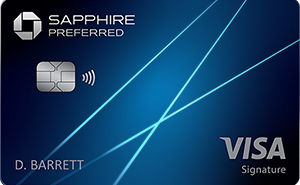
On Chase Bank USA, NA’s Secure Website
Earn 5x points on travel purchased through Chase Ultimate Rewards®, 3x points on dining and 2x points on all other travel purchases, plus more.
Best for simple rewards
Capital One Venture Rewards Credit Card
*

Earn 5X miles on hotels and rental cars booked through Capital One Travel. Earn unlimited 2X miles on every purchase, every day.
Compare the best metal credit cards
Best metal credit cards of January 2024
Best for luxury travel benefits: Chase Sapphire Reserve®
Why this card made the list
The Chase Sapphire Reserve® is packed with benefits, including a $300 annual travel credit, extensive lounge access and an exhaustive list of travel protections. What makes the Sapphire Reserve a standout is that rewards earned on the card can be redeemed for 50% more value for travel booked through Chase.
- Card weight: 16g.
- Type of metal: Stainless steel with polymer back layer.
- Annual fee: $550.
- Rewards: 5 points per $1 on flights and 10 points per $1 on hotels and car rentals purchased through Chase Ultimate Rewards® after the first $300 is spent on travel purchases annually. Earn 3 points per $1 on other travel and dining and 1 point per $1 on other purchases.
- Welcome bonus: 60,000 points after spending $4,000 on purchases in the first three months of account opening.
Best mid-range metal travel card: Chase Sapphire Preferred® Card
Why this card made the list
The Chase Sapphire Preferred® Card offers a distinctive blend of travel benefits and flexible rewards with a sub-$100 annual price tag. Additionally, points are worth 25% more when redeemed for travel through Chase and the card offers primary auto rental coverage – an attribute not commonly found on cards at this price point.
- Card weight: 16g.
- Type of metal: Stainless steel with polymer back layer.
- Annual fee: $95.
- Rewards: 5 points per $1 on travel purchased through Chase Ultimate Rewards®, 3 points per $1 on dining, select streaming services, and online grocery purchases (excluding Walmart, Target and wholesale clubs), 2 points per $1 on all other travel purchases and 1 point per $1 on all other purchases.
- Welcome bonus: 60,000 points after spending $4,000 on purchases in the first three months of account opening.
Best for dining: American Express® Gold Card
Why this card made the list
The American Express® Gold Card (terms apply, rates & fees) is the premier rewards card for foodies, earning high rewards rates at restaurants worldwide — including takeout and delivery in the U.S. — and at U.S. supermarkets. Other food-focused perks include up to $120 in annual dining statement credits when you pay with the card at participating partners (enrollment required) and up to $120 in annual Uber Cash, good for Uber rides or Uber Eats (for purchases in the U.S.; card must be added in Uber account to receive this benefit).
- Card weight: 16g.
- Type of metal: Stainless steel with polymer back layer.
- Annual fee: $250.
- Rewards: 4 Membership Rewards points per $1 at restaurants, plus takeout and delivery in the U.S., 4 points per $1 at U.S. supermarkets (on up to $25,000 per calendar year in purchases, then 1 point), 3 points per $1 on flights booked directly with airlines or through American Express travel and 1 point per $1 on other eligible purchases.
- Welcome bonus: 60,000 Membership Rewards points after spending $6,000 on eligible purchases in the first six months of card membership.
Best for extensive lounge access: The Platinum Card® from American Express
Why this card made the list
The Platinum Card® from American Express (terms apply, rates & fees) has more widespread airport lounge access than any other consumer card on the market, offering complimentary access to over 1,400 airport lounges in 140 countries through the American Express Global Lounge Collection®. The comprehensive program includes access to Centurion, Escape, Delta Sky Club, Lufthansa, Plaza Premium and Priority Pass Select lounges. Enrollment is required for select benefits. Plus, the luxury card comes with over $1,500 in potential annual statement credits and an extensive collection of travel benefits and protections.
- Card weight: 16g.
- Type of metal: Stainless steel with polymer back layer.
- Annual fee: $695.
- Rewards: 5 Membership Rewards points per $1 for flights booked directly with airlines or with American Express Travel on up to $500,000 per calendar year, 5 points per $1 on prepaid hotels booked with American Express Travel and 1 point per $1 on other purchases.
- Welcome bonus: 80,000 Membership Rewards Points after spending $8,000 on purchases in the first six months of card membership.
Our credit cards team has spent hours analyzing hundreds of credit cards. We took a deep dive into the details of each product and that analysis, combined with our years of experience covering credit cards, informed us as we developed these credit card rankings. Factors we considered when ranking metal cards included:
- Annual fees.
- Rewards.
- Card weight and composition.
- Redemption options.
- Travel and purchase protections.
- Other card features that add value like credits for trusted traveler application fees, travel credits or cellphone protection.
Since they’re made from stainless steel, titanium or other materials, metal credit cards are more durable than traditional plastic credit cards. If you want a card that will last a long time, metal cards fit the bill, but that should only be one reason, if at all, to get a particular card.
“Metal cards are often associated with luxury and exclusivity. The weight, material, and sleek design contribute to a premium feel, making cardholders feel they are part of an elite group. The use of metal can be seen as a status symbol, appealing to affluent cardholders and those who appreciate the finer things in life,” said Josh Hatcher, senior graphic designer at Vericast Card Solutions, a manufacturer of credit cards.
Generally, you shouldn’t choose a credit card based on the material it’s made from. Instead, you should choose a card based on your unique needs and how it will benefit you. Look at factors including:
- Annual fee.
- Introductory APR.
- Ongoing APR.
- Welcome bonus.
- Rewards rates.
- Features.
- Consumer and travel protections.
- Credit requirements.
A metal credit card may get attention when you hand it over for payment, but its material shouldn’t be a primary factor when choosing a card. Several of the top rewards credit cards are still made from plastic.
Metal cards look and feel great, but here the main things to look for when identifying the best card for your needs:
- Fees: Many rewards credit cards charge a yearly fee for access to card benefits and rewards. Weigh the fee versus the card’s value based on your likelihood to use its benefits.
- Rewards: What type of rewards do you want to earn and redeem? There are several types of credit cards, many of which earn points, miles or cash back. Also, consider whether you want to earn rewards with a particular brand or more flexible rewards.
- Features: Since many metal credit cards fall under the category of premium cards, consider what additional features or perks you want in a card.
- Welcome bonus: Earning a welcome bonus is the quickest way to boost your rewards balance. Also, consider whether you can meet the spending criteria needed to earn the bonus.
- APR: Decide if you want a card with an introductory 0% APR offer on new purchases or balance transfers. Credit cards have higher APRs than many lending products, so consider the card’s variable APR range beyond any introductory period.
Ultimately, the best card for you is one that can meet your goals through its benefits and rewards.
Need help picking the right credit card? Our guide will help you choose the best one for your needs.
Frequently asked questions (FAQs)
Metal credit cards may be better looking aesthetically than plastic cards, but they work the same as other credit cards. They tend to be more durable than plastic cards because of the material used to make them.
Metal credit cards are more difficult to destroy if you close your account or receive an updated card. Usually, you must mail the card back to the card issuer to dispose of it. Also, metal cards have been known to occasionally set off metal detectors during security screenings at airports and other facilities.
Many card issuers provide a prepaid envelope to send metal cards back for disposal upon request or when you receive an updated card. If you prefer to destroy your metal cards yourself, you’ll need heavy-duty metal snips or a similar tool designed for cutting metal. Cut the card into small pieces, making sure to destroy the magnetic stripe and EMV chip.
Like any other credit card, you must meet the issuer’s requirements to qualify for a metal credit card, which may include meeting certain income and credit standards. Credit card issuers typically do not disclose the requirements you must meet to qualify for a credit card.
For rates and fees for the American Express® Gold Card please visit this page.
For rates and fees for The Platinum Card® from American Express please visit this page.
*The information for the Apple Card, Capital One Venture Rewards Credit Card, Capital One Venture X Rewards Credit Card, Prime Visa and Verizon Visa® Card has been collected independently by Blueprint.
The card details on this page have not been reviewed or provided by the card issuer.
Credit: Source link