


PRESS RELEASE
Published August 28, 2023
Make Your Move Easier and More Affordable with These Tips from Sacramento Movers
Sacramento, United States – August 23, 2023 / Moving Service Marketing Company /
Moving to a new home is exciting, but it can also be expensive. A budget is essential to help you stay on track as you prepare for the move. Fortunately, Sacramento Movers has some money-saving tips that could help you save big when moving day.
Budgeting for Your Move
Moving to a new place can be an exciting but costly endeavor. That’s why budgeting for your move is crucial. You can avoid overspending and saving money by carefully planning and organizing your finances. Here are some essential aspects to consider when budgeting for your move:
Determine how much you can afford to spend on your move. Consider all the expenses involved, such as hiring movers, purchasing packing supplies, and transportation costs. Consider any additional fees or deposits required for your new home or apartment. Understanding your financial limitations will guide you throughout the planning process.
Next, create a comprehensive list of all the expected expenses. Break it into categories like moving services, packing materials, travel costs, and any hidden or miscellaneous fees that might arise during the process. This detailed overview will help you identify areas where you can cut costs and find more affordable alternatives.

Setting Up a Moving Budget
Creating a detailed moving budget is the key to staying organized and reducing unnecessary expenses during your move. By allocating funds wisely and monitoring your spending, you can stay within your predetermined financial limits. Here’s how to set up a moving budget:
Start by reviewing your list of expected expenses from earlier and assign realistic estimates to each category. Take the time to research prices and compare different options to ensure accuracy. It’s crucial to be as thorough as possible during this process.
Affordable Moving Services
When hiring professional movers, affordability is often a top concern. But finding reliable and affordable moving services is possible with research and careful consideration. Here are some tips to help you find cheap moving services:
- Obtain multiple quotes: Contact several moving companies and request quotes for your specific move. Comparing multiple quotes allows you to get an idea of the average price range and identify any potential outliers in terms of pricing.
- Consider the off-peak season: Plan your move during the off-peak season. Many moving companies offer better rates during periods when demand is low. Avoiding peak times like weekends or holidays can save you money.
- Look for promotions or discounts: Keep an eye out for any promotions or discounts moving companies offer. They may conduct special offers during certain times of the year or provide discounted rates for specific services. Take advantage of these opportunities to save on your move.
- Ask about included services: When comparing moving companies, inquire about what services are included in their pricing. Some companies may include packing materials, assembly, disassembly of furniture, or storage options as part of their standard service. Considering these inclusions can help determine if a company’s pricing offers good value for money.
- Read reviews and ask for recommendations: Before making a final decision, read online reviews about the moving companies you are considering. Additionally, ask friends, family, or colleagues for suggestions based on their personal experiences. This can provide insight into the reliability and quality of service different movers offer.
By considering these factors and conducting thorough research, you can find professional movers who offer both affordability and quality service, ensuring a smooth and cost-effective move.
Choosing the Best Value Movers
Selecting the best value movers goes beyond simply finding the lowest price. Consider factors such as reputation, experience, customer reviews, and additional services each company offers.
Start by researching each moving company online. Read reviews from previous customers to get a sense of their reliability and professionalism. Look for any red flags or patterns of negative feedback that could indicate potential issues.
Next, assess the experience and expertise of each moving company. Are they experienced in handling moves similar to yours? Do they have specialized knowledge in transporting fragile items or navigating tight spaces? Choosing movers with the necessary skills and expertise can help ensure a smooth and efficient move.
Lastly, consider any additional services offered by each moving company. Some companies may offer packing and unpacking services, storage options, or even assistance with utility transfers. While these services may cost extra, they can save time and effort during moving.
Final Relocation Money-Saving Tips
As you near the end of your relocation journey, making wise financial decisions is crucial to save money and ensure a smooth transition into your new home. Here are some final money-saving tips to consider:
1. Plan and organize your move: Proper planning and organization can save you both time and money during your move. Create a detailed moving checklist, research moving companies for competitive rates, and schedule your move during off-peak seasons when prices tend to be lower.
For instance, if you know you’ll be moving in six months, start decluttering and selling unnecessary items now. This will reduce your overall load and generate some extra cash that can go toward moving expenses.
2. Optimize transportation costs: Look for cost-effective ways to transport your belongings. If you’re moving locally or have access to a vehicle, consider renting a moving truck instead of hiring professional movers. Alternatively, explore options like portable storage containers or freight services that offer more flexibility at a lower cost.
Let’s say you’re relocating and only have some furniture to transport. In this case, using a shipping service that consolidates multiple shipments from different customers into one container can significantly reduce costs compared to hiring an entire moving truck for yourself.
3. DIY packing: Instead of paying for professional packing services, take the DIY route by gathering free boxes from local stores or asking friends and family if they have spare containers. Instead of purchasing expensive bubble wrap, you can use towels, blankets, and newspapers as padding materials.
Imagine how much money you could save by utilizing cardboard boxes from a nearby grocery store instead of buying brand-new ones from a moving supply store! Plus, repurposing household items as padding materials serves the dual purpose of protecting your belongings while saving on unnecessary expenses.
4. Notify service providers in advance: Contact your utility companies, internet service provider, and other subscription-based services to schedule cancellation or transfer of services well in advance. Many companies require a notice period, and by doing so ahead of time, you can avoid unnecessary charges or overlapping bills.
Suppose you canceled your internet service before moving out, and the provider charges you for an extra month. That’s money that could have been saved by taking the time to inform them beforehand.
5. Minimize food waste: Aim to use up perishable food items before your move instead of throwing them away. Plan meals strategically around what you have in the refrigerator and pantry to reduce food waste and save money on groceries.
Consider challenging yourself to create delicious meals using only the remaining ingredients in your kitchen. This creative cooking endeavor reduces food waste and saves you from unnecessarily spending last-minute grocery shopping.
6. Explore tax deductions: Some relocation expenses may be tax-deductible if you’re moving for work purposes and meet specific requirements. Research the tax laws in your country and consult with a tax professional to ensure you are taking advantage of any eligible deductions.
Let’s say you relocated due to a job transfer and had to incur expenses related to packing, moving, and temporary accommodation. By understanding the tax laws surrounding these expenses, you can deduct a portion of them on your next tax return.
7. Take advantage of company benefits: If your move is work-related, inquire about any relocation assistance or benefits offered by your employer. Some companies provide financial support for employee relocations, including reimbursement for moving costs or even temporary housing allowances.
Imagine how much money you could save if your company covered the cost of hiring professional movers or provided a stipend for temporary accommodation during the transition period. Make sure to explore these possibilities with your HR department.
8. Choose cost-effective packing materials: Rather than investing in new moving boxes and packing supplies, consider alternatives like reusable plastic bins, suitcases, or even large garbage bags (for non-fragile items). This reduces waste and saves on unnecessary expenses.
Say you have a few sturdy suitcases that can be used for packing clothes, linens, or other lightweight items instead of purchasing additional boxes. By utilizing what you already have, you avoid spending extra money on something that serves the same purpose.
9. Claim insurance properly: If you opt for insurance coverage during your move, understand the terms and conditions of your policy to ensure that you receive proper compensation in case of any mishaps or damages. Take photos or videos of your belongings before the move as proof if claims need to be made later.
It’s essential to document the condition of your items before the move and review the insurance policy thoroughly to guarantee that you receive adequate compensation in case of loss or damage. Only filing claims with proper evidence will result in partial payment or rejection.
10. Keep receipts and track expenses: Throughout the relocation process, keep track of all related costs and retain receipts. These records will help you stay within budget and come in handy when it’s time to calculate any potential tax deductions or reimbursements.
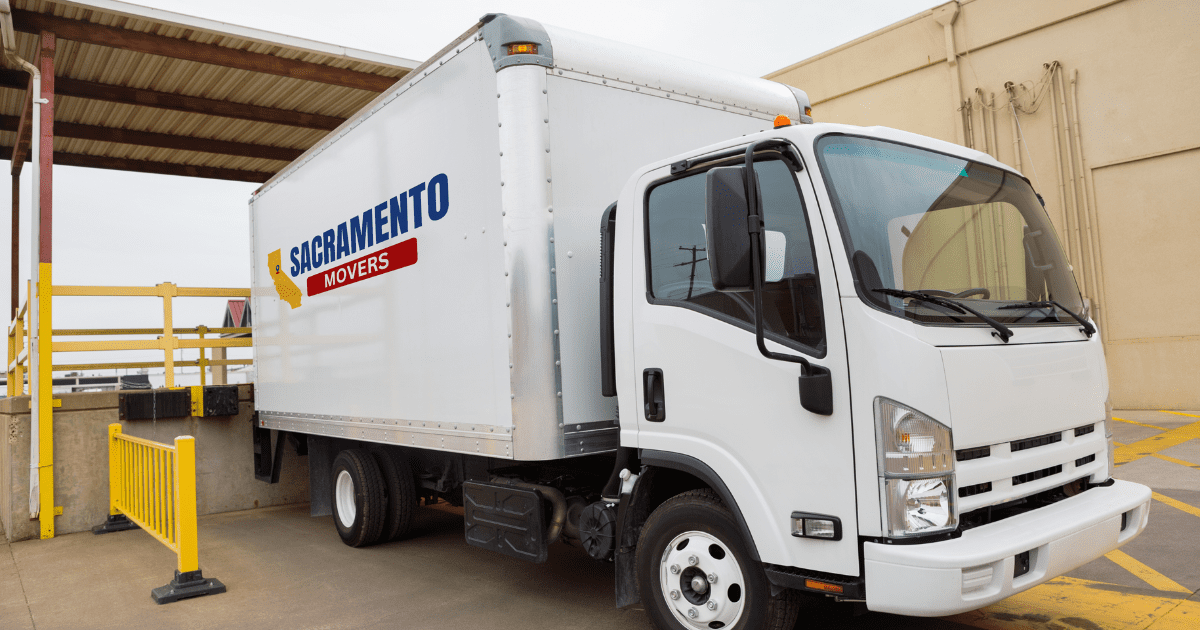
By keeping detailed records of your expenses, you clearly understand how much you’ve spent on each aspect of your move. This helps identify areas where you may have overspent and allows for better financial planning in future relocations.
With these final relocation money-saving tips, you are well-equipped to make informed decisions that will help you save money during your move. Remember, every dollar saved adds up, so be diligent and proactive in seeking cost-effective solutions. Relocation can be an exciting but expensive endeavor, and by implementing these strategies, you can ease the financial burden and focus on enjoying your new home. Contact Sacramento Movers for more information on the best cost-saving plan to make your move successful.



Contact Information:
Sacramento Movers
5229 11th Ave
Sacramento, CA 95820
United States
Roberto Rodriguez
(916) 940-5340
https://sacramentomovers916.com/

Original Source: https://sacramentomovers916.com/media-room/

COMTEX_439131239/2827/2023-08-28T00:08:14
Credit: Source link