


IdeaWorks has a new report breaking down the economics of airport lounges – how people are getting into lounges, how much they cost to build, and whether they’re profitable for airlines to offer.
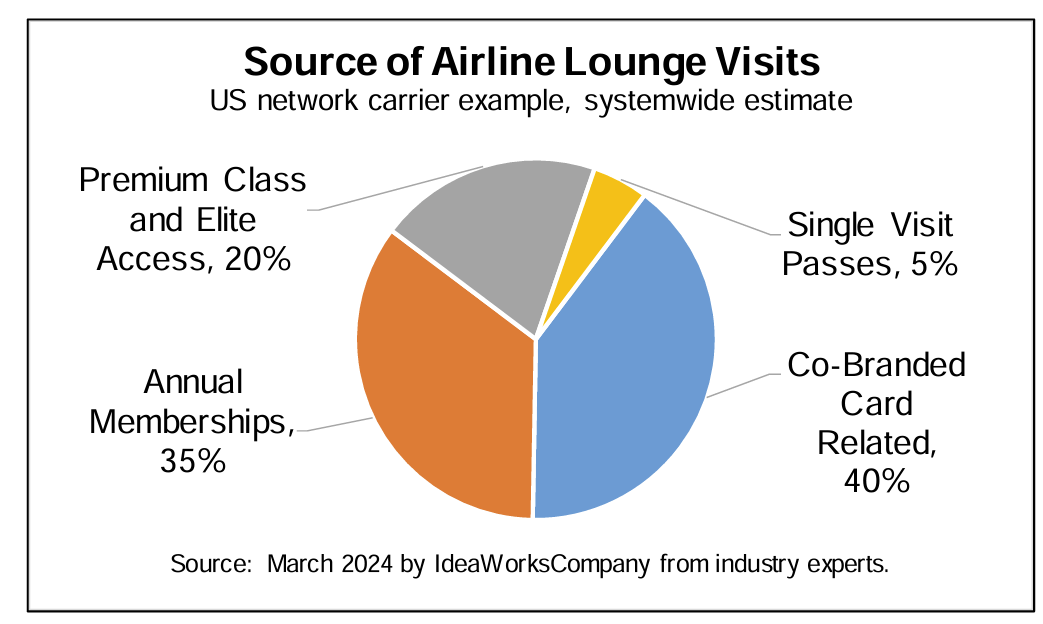
- Roughly 40% of U.S. airline lounge visits now come from credit cards; 35% from memberships; 20% from status and premium cabin tickets; and 5% from day passes.
Credit: IdeaWorks - A single lounge, properly-done, can now cost $100 million to build.
Delta and Atlanta’s international airport announced a $33 million lounge project in 2021.2 The total price swelled to $92 million by 2022, which now involves additional concourse-related components. As of 2024, the 20,000 square foot lounge won’t open for years and is part of a massive project to improve Atlanta’s concourse D.
Delta is also planning to open a second Sky Club at Seattle at 21,000 square feet.3 Construction began in the 3rd quarter of 2022 and is expected to be completed by the end of 2024. The total cost of construction, which includes a new “Club SEA” lounge sponsored by the airport, is currently estimated at $126 million.
- A modest lounge costs “$1,400 to $1,800” to build in the U.S., implying up to $27 million for 15,000 square feet. Renovating an existing lounge can easily run $20 million.
- There are over 3,500 airport lounges, with around two-thirds accessible as part of airline alliances (although there is some overlap):
- oneworld 600+
- SkyTeam 750+
- Star Alliance 1,000+
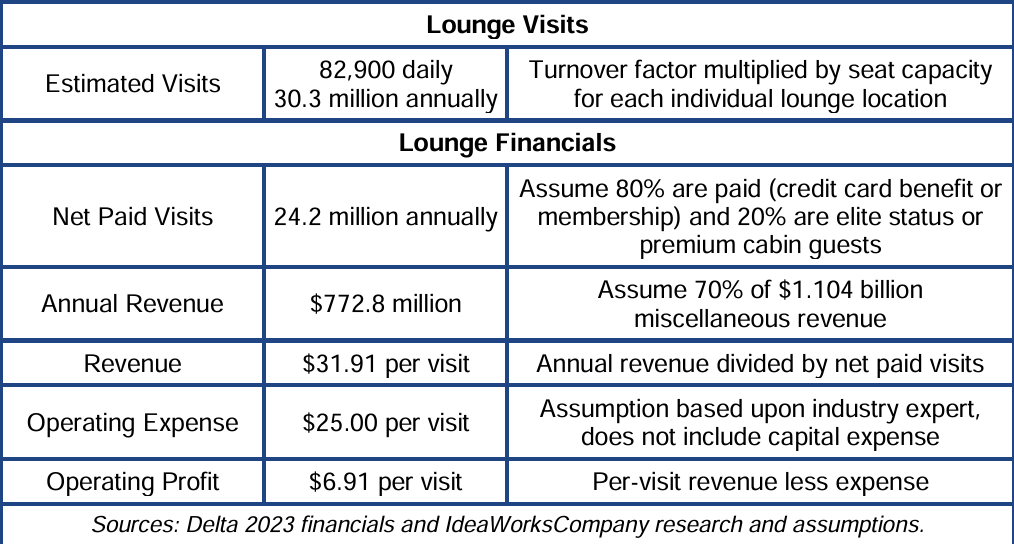
- IdeaWorks estimates that Delta receives $772 million annual from American Express for lounge access. I’d note, though, that the accounting allocations here are pretty flexible.
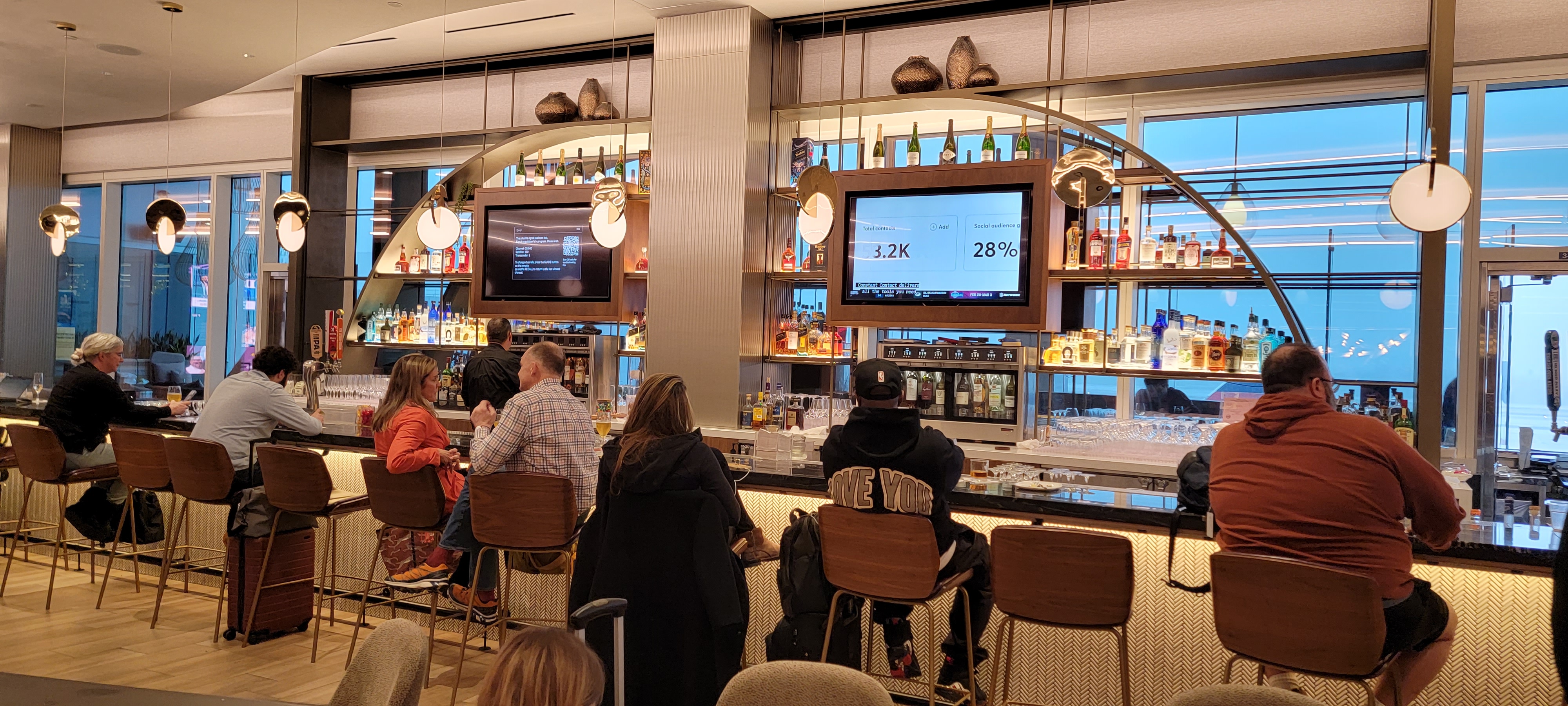
Delta Sky Club LAX
Demographics of lounges skew older with those age 44 and higher more likely to visit lounges than those 28-43, who are themselves more likely to visit lounges than younger passengers. While IdeaWorks suggests a potential future demand decline for lounges, I’d posit that this correlates with income more than interest (although lounge offerings may have to change with generational shift), which the report acknowledges.
The study also offers insights into the economics of Delta Sky Clubs, suggesting that Sky Clubs generate an operating profit, but do not cover their capital costs. Instead the clubs are necessary to attract premium air travel business (and these assumptions don’t attribute a portion of the cost of those tickets) as well as premium cardmember spend. Note that they seem to generate an operating profit even while investing more in food and beverage programs than competitors.
Credit: IdeaWorks
Meanwhile, lack of lounges has been a competitive disadvantage of low cost carriers and for Southwest, which haven’t been able to cater to customers increasingly seeking differentiated experiences. That’s why Southwest actually came out with Priority Pass for some credit card customers. They don’t want to lose that business. It’s the reason why several low cost carriers around the world operate lounge networks.
It’s been interesting to watch the interplay between airlines and banks on their lounge networks. American Express began building Centurion lounges as they lost lounge partners to mergers and exclusive card deals (for instance, American Express lost Continental, American and US Airways). They built lounges in terminals where they didn’t have partners (i.e. Delta lounges). Then, as Delta lounges got crowded, Delta pressured American Express to build in their terminals.
Crowding is a huge issue. The more access, the more revenue, but also the less attractive the lounge. Standing in line for long periods of time to access a lounge is generally stupid. Delta has done the most to restrict access, and prioritize certain customers into their lounges, but still has line issues. They’re building more lounges but that’s a long-term effort.
JFK sky club line was about 40 people deep
byu/1Wubbalubbadubdub1 indelta
Meanwhile, American Airlines announced food improvements along with Citi’s premium card annual fee increase. The food improvements – in typical “don’t spend a dollar more than we need to” fashion – have been modest. Earlier offerings, like guacamole and avocado toast, were sponsored by Mastercard, the payment network used by the premium Citi co-brand.
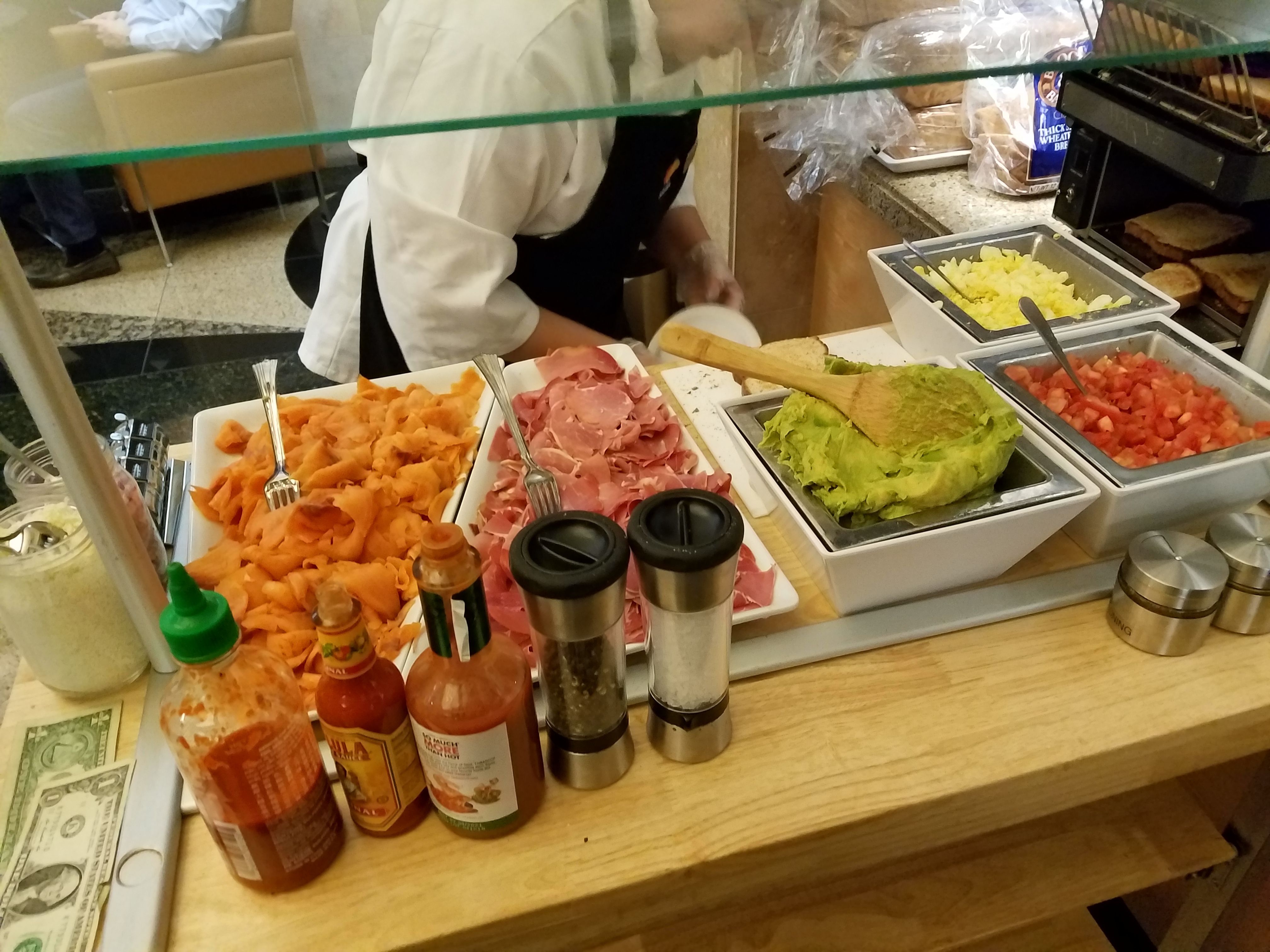
American Airlines Avocado Toast Bar
Centurion lounges, Sapphire lounges, and Capital One lounges are more expensive generally than airline lounges. They have high-end finishings, as well as robust food and beverage programs. Banks are directly trying to capture premium customer spend. These lounges drive card adoption and the experiences promote loyalty.
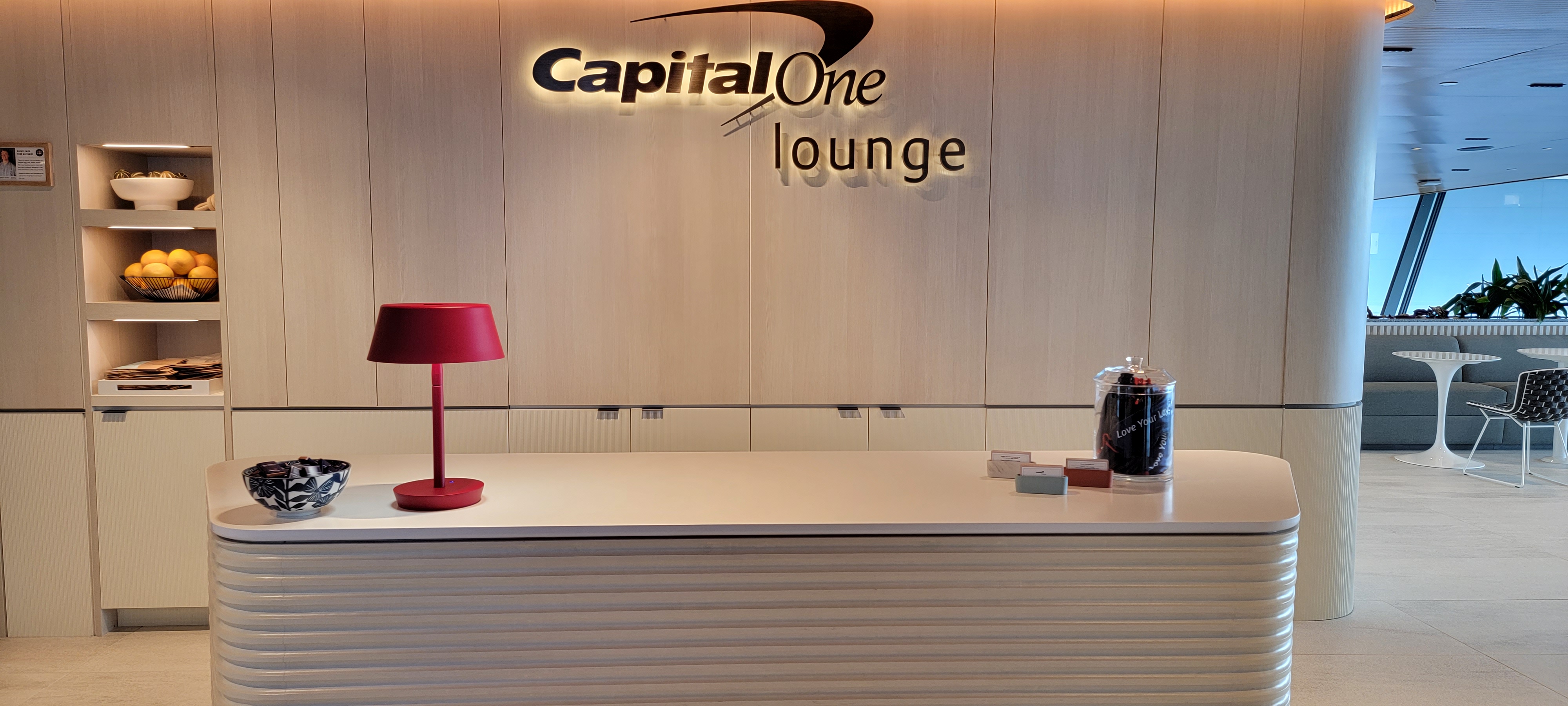
Capital One Lounge, Washington Dulles
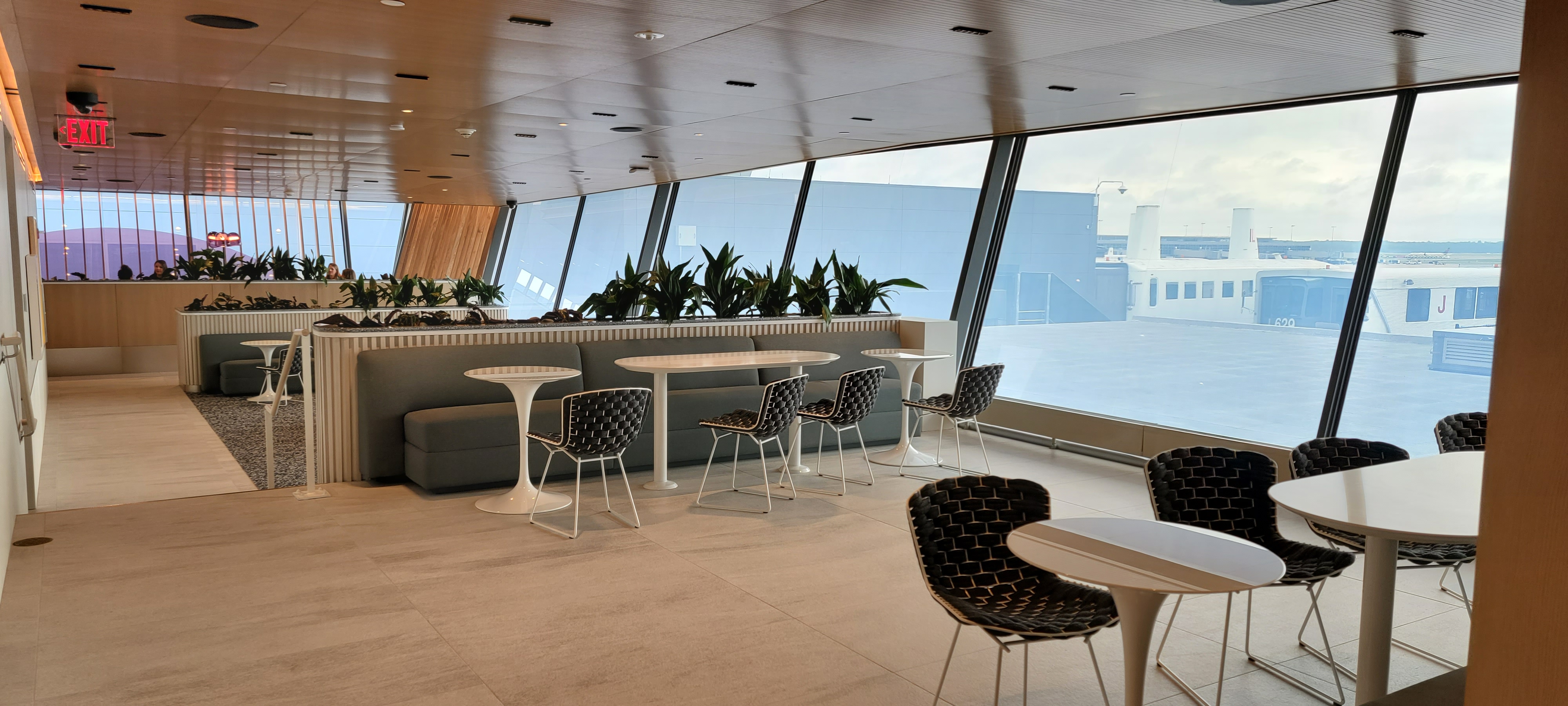
Capital One Lounge, Washington Dulles
Airline lounges are more costly than contract lounges, generally, and have been getting more so. Even American has boosted the food offerings in its lounges, and their newest lounge builds in Denver, Newark and Washington National are much higher-end than previous products.
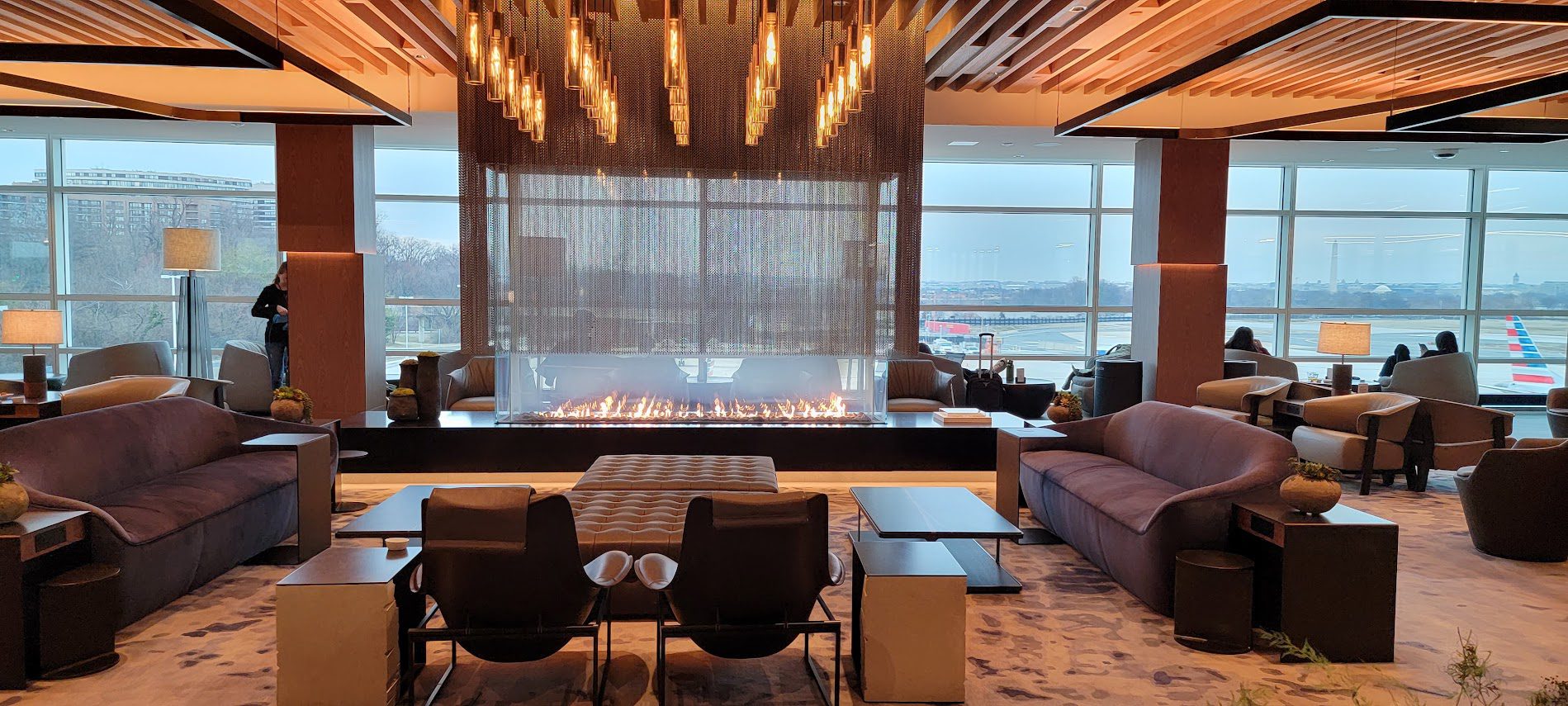
American Airlines Admirals Club, Washington National E Concourse
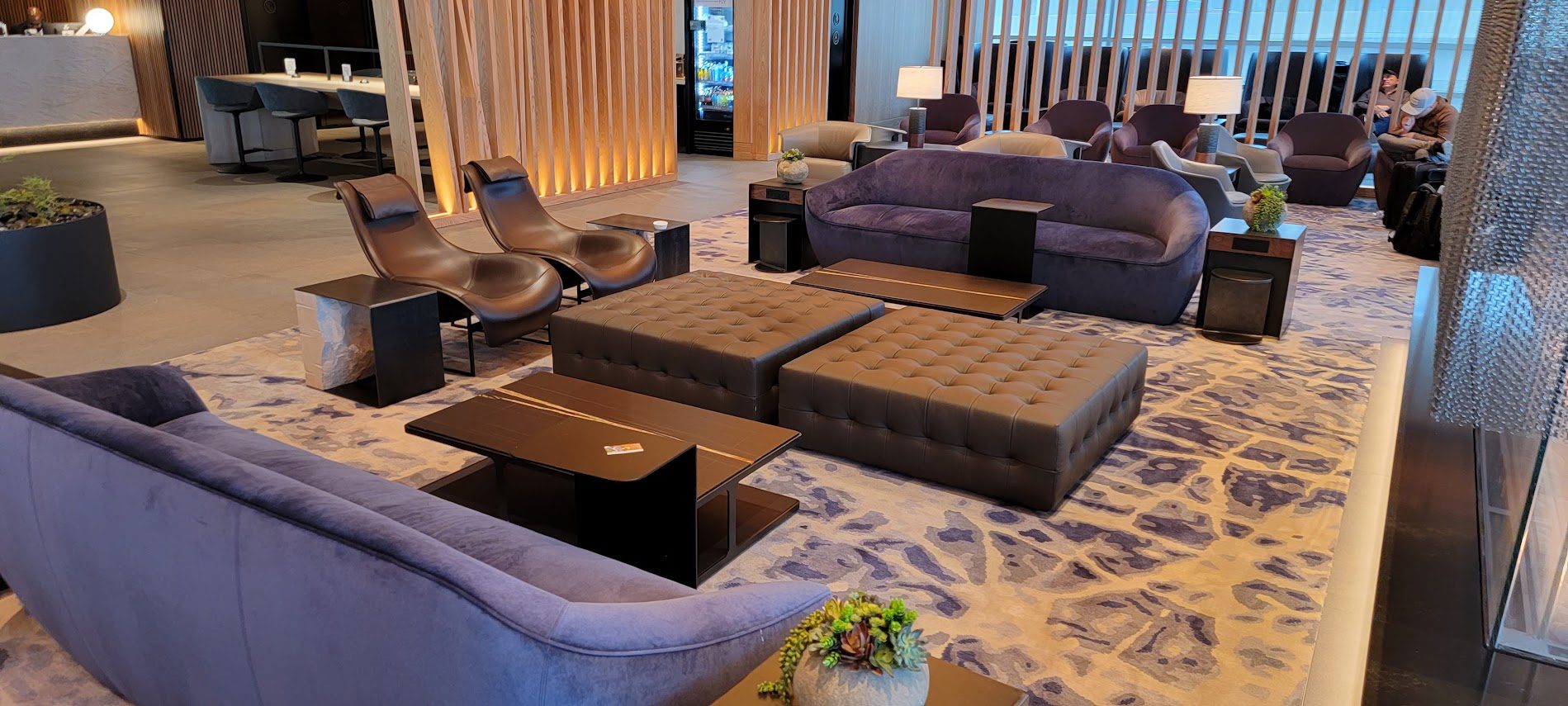
American Airlines Admirals Club, Washington National E Concourse
And of course better food offerings drive up consumption. People eat more both because it’s more appealing to eat, and because they want to get value out of their investment in lounge access.
@meat.slut Delta executives hate this 1 money saving trick #meat #traveltiktok #travel #foryoupage #fyp #meatslut @delta ♬ Little Bitty Pretty One – Thurston Harris
Contract lounges can be far less expensive to build, and food offerings are sometimes sparse. They don’t generate as much revenue per-visit as a Delta lounge but they may be paid $20 – $25 per visit by Priority Pass – and with lower capital spend and lower variable cost per guest those can be profitable standalone products.
While airport space is at a premium, customers will travel farther in an airport to visit a lounge. That allows the airport to monetize space that wouldn’t work for retail or restaurants based on ordinary foot traffic. So while the better lounges tend to lead to lower in-terminal spend (people get their food in the lounge not at a restaurant, and spend their time in the lounge instead of shopping) it’s still a benefit to the airport.
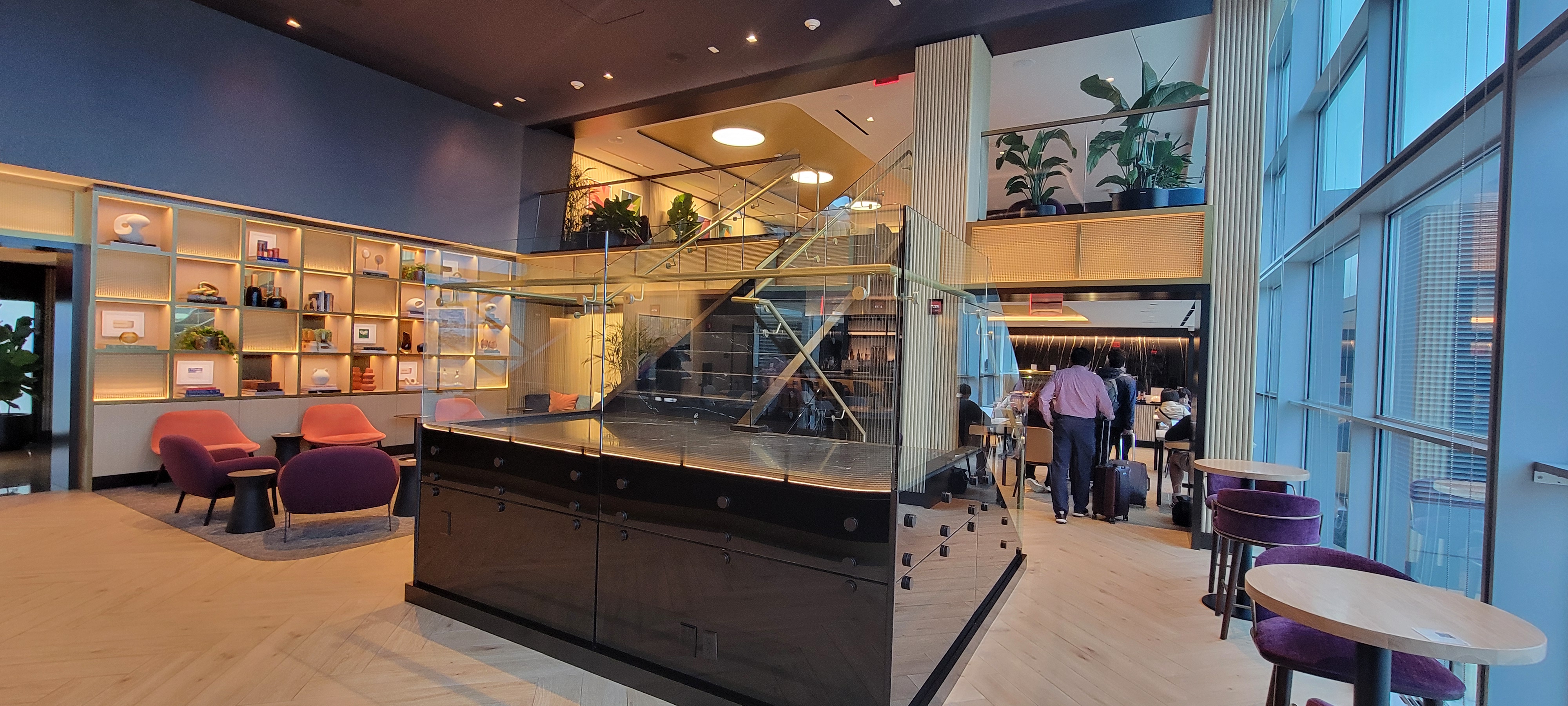
Chase Sapphire Lounge, Washington Dulles
And a Capital One app-based waitlist system for managing lines also benefits airports because customers stick somewhat close to the lounge while they wait and kill time shopping.
More From View from the Wing
Credit: Source link